




If you want to go forward with an IVF Treatment, improving your egg quality plays a very big role in a successful treatment, rather than just taking injections.
Improving overall health may support egg quality and reproductive outcomes during IVF treatment and the energy needed to fertilize successfully and develop into a viable embryo.
There is no quick fix for egg quality. Healthy lifestyle habits, proper nutrition, and medical guidance can help support egg health before IVF.
Exploring options for IVF treatment in Siliguri is a great way to access personalized medical support if you’re ready to take the next step in your fertility journey.
90 days is the crucial biological preparation phase of your body, leading up to a successful IVF journey.
This is the exact amount of time it takes for a dormant egg to fully mature and for new sperm to develop.
This is a blog providing insights into one of the most important questions: “How to improve egg fertility for IVF?”
What is an IVF Treatment?
A medical procedure where an egg is combined with sperm outside the body in a laboratory dish to create an embryo, which is then transferred into the uterus to establish a pregnancy, is called IVF.
In Vitro Fertilization, or IVF, is one of the most effective types of Assisted Reproductive Technology (ART) used to help individuals and couples overcome infertility or genetic challenges.
Here is a breakdown of the whole step-by-step process of conducting an IVF Treatment.
The Step-by-Step IVF Process
Typically taking about 4 to 6 weeks and consisting of five core phases, an active medical IVF cycle depends on it.
Step 1- Ovarian Stimulation:
The first step of an IVF Treatment is stimulation of the ovaries. It starts with the patient self-administering hormonal medications for 8 to 14 days to mature multiple eggs simultaneously.
Instead of the single egg produced in a natural menstrual cycle, this is the best way to do so.
Step 2- Egg Retrieval:
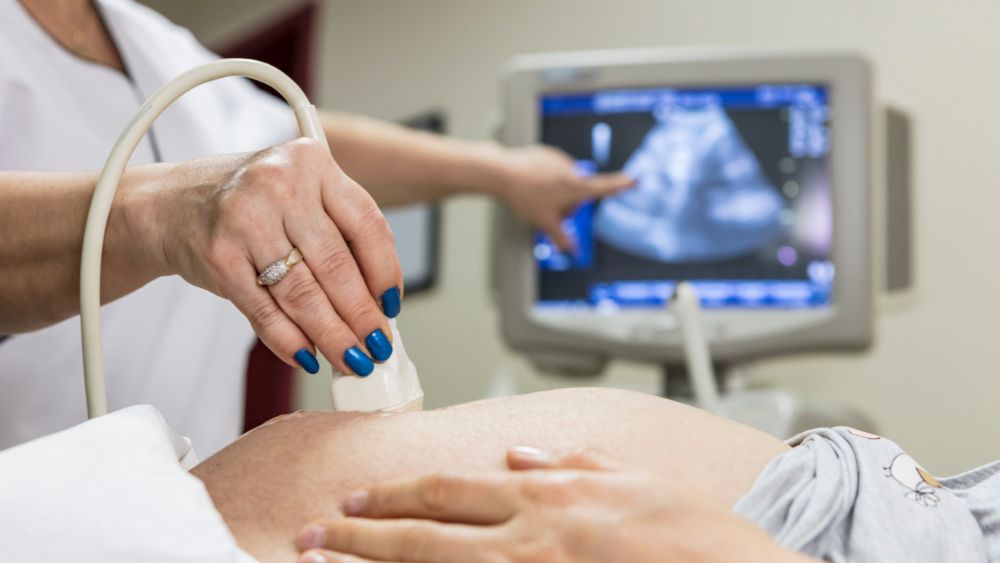
The second step of an IVF Treatment is the retrieval of the eggs. Here, your doctor performs a minor, ultrasound-guided surgical procedure under light sedation to gently aspirate fluid and collect the matured eggs from the ovaries.
Step 3- Fertilization:
Step three of an IVF treatment is fertilization. This is done in a laboratory dish, with the collected eggs, which are then combined with the sperm from your partner or donor.
A single sperm may be injected directly into an egg using Intracytoplasmic Sperm Injection, or ICSI, if there are sperm quality concerns.
Step 4- Embryo Culture:
Step four of an IVF treatment is all about growing the embryos. This is done after the fertilization of the eggs, which are not embryos. These are now grown in a specialized incubator for 3 to 5 days, until they reach the cleavage or blastocyst stage.
Step 5- Embryo Transfer:
The last core step of an IVF treatment is the transfer of the embryo. This is done when a doctor passes a thin catheter through the cervix to place one or more selected embryos into the uterus. Any remaining healthy embryos are frozen, which is called cryopreservation, for the future.
Why Is It Important to Improve The Egg Quality For Your IVF Treatment?
The single most critical factor determining the success of an IVF treatment cycle is the quality of your eggs.
While advanced reproductive technology can control the quantity of eggs retrieved, it cannot easily alter the biological integrity of an egg once it is extracted.
To ensure the genetic accuracy and cellular energy required to survive the intense laboratory and implantation process, optimizing egg quality before your retrieval ensures that the retrieved cells possess all these qualities.
You can consult the best IVF centre in Siliguri for any concerns related to your IVF treatment.
It Empowers Growth of the Embryo:
A high-quality egg contains strong mitochondria, which act as the cellular powerhouses of the cell. These mitochondria supply 100% of the energy needed for a fertilized egg to divide rapidly into a multi-celled, complex blastocyst. Embryos frequently stop growing midway through the lab phase, without sufficient energy.
This ensures the health of the Genetics:
Making healthy eggs much more likely to create genetically normal or euploid embryos, the quality of the egg directly correlates with chromosomal integrity.
Laboratory screenings like PGT-A cannot fix abnormalities, making high baseline egg quality essential, but they can identify abnormalities.
It Boosts Fertilization Rates:
During standard IVF or Intracytoplasmic Sperm Injection or ICSI, healthy egg membranes allow sperm to successfully penetrate or fuse. This resilience directly translates to a higher number of successfully fertilized embryos in the lab.
It Lowers the Risk of Miscarriage:

Chromosomal abnormalities are the leading cause of early pregnancy loss and IVF failure. Focusing on egg health during the 90-day maturation window protects cellular structure, which significantly lowers the risk of chemical pregnancies and miscarriages.
What Affects Egg Quality?
Several factors can affect egg quality and influence the success of IVF treatment. Understanding these factors can help you make informed lifestyle and treatment decisions.
Age
Age is one of the biggest factors affecting egg quality. As women get older, both the number and quality of eggs naturally decline.
Smoking
Smoking exposes eggs to harmful toxins that can damage egg DNA and reduce fertility potential.
Obesity
Being overweight can disrupt hormone levels, affect ovulation, and create an unhealthy environment for egg development.
PMOS
Hormonal imbalances and insulin resistance associated with PMOS can interfere with normal egg maturation.
Endometriosis
Inflammation caused by endometriosis may affect ovarian function, egg quality, and fertility outcomes.
Environmental Toxins
Exposure to pesticides, pollutants, and harmful chemicals may negatively impact reproductive health over time.
Genetics
Genetic factors can influence ovarian reserve and egg quality, although they cannot be modified.
How to improve egg quality for IVF?
Although you cannot create new eggs, you can significantly improve the quality of existing eggs and embryos, with eggs taking roughly 90 days to mature.
To get the best chance of success, you can implement targeted lifestyle, dietary, and supplemental changes for 3 months before your IVF cycle.
Choosing a reputable Siliguri IVF centre is important for diagnostic accuracy and expert advice.
Focus on these key, evidence-backed areas to boost your egg quality for IVF:
Optimizing Your Diet and Hydration Levels
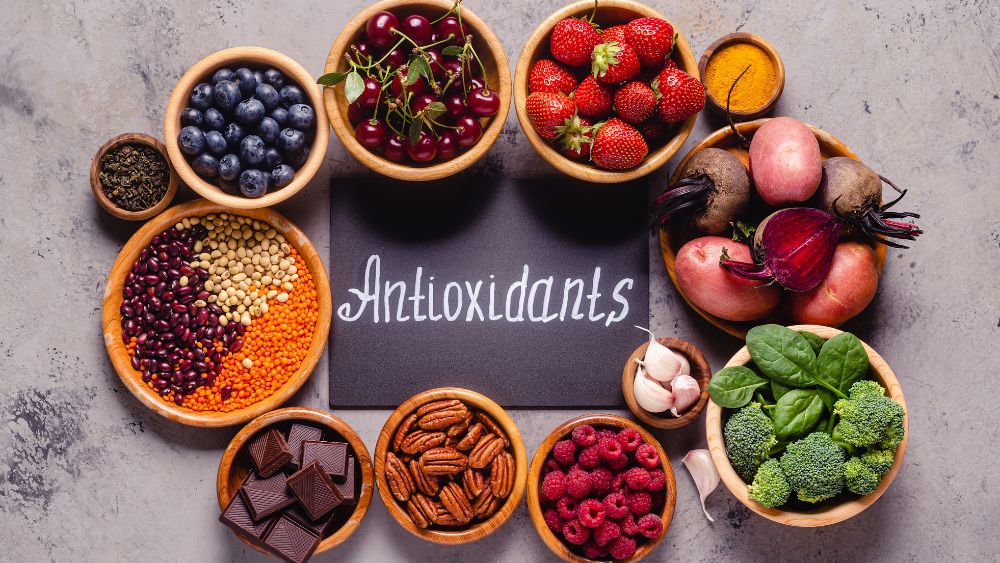
Because what you eat impacts the follicular environment where your eggs mature, optimizing your diet and hydration levels is important. This is important to keep the production of healthy eggs intact.
Eating Foods Rich in Antioxidants: Eating foods that are rich in antioxidants is essential for the production of healthy eggs. Eat plenty of dark leafy greens, berries, nuts, and seeds. It is also essential because oxidative stress causes eggs to age.
Choosing Healthy Fats: Eat foods like Omega-3 fatty acids from fatty fish like salmon, avocados, and walnuts to reduce inflammation.
Avoiding the Bad Stuff: Choose to eat healthy and eliminate bad stuff from your diet. Minimize trans fats, refined carbs, and excess sugars, which can cause hormonal imbalance and increase inflammation.
Boosting Blood Flow to the Ovaries
It is very important to boost blood flow to the ovaries, because oxygen-rich blood nourishes developing follicles.
And you can improve pelvic circulation by staying well-hydrated, drinking 2-3 liters of water daily, and engaging in low-impact activities like brisk walking or fertility yoga.
Managing Your Stress and Sleep
Managing your sleep and stress is important because high levels of the stress hormone cortisol can disrupt your reproductive hormones and hinder egg health.
Ensure getting at least 7-8 hours of quality sleep nightly to regulate your circadian rhythm.
Incorporate stress-reduction techniques such as mindfulness, meditation, or acupuncture.
Eliminate Toxins From Your Life
Because environmental toxins and certain habits can directly damage egg DNA, it is important to eliminate toxins from your life. This includes eliminating things like,
As toxins accelerate egg loss, quit smoking and avoid vaping.
Limit alcohol and moderate your caffeine intake, usually under 200 mg per day.
Maintaining a Healthy Weight
There is a strong correlation between Body Mass Index (BMI) and IVF success. Being either significantly underweight or overweight can lead to hormonal imbalances that affect ovulation. Aiming for a healthy, balanced BMI before starting IVF is crucial.
Also Read:-
Can Supplements Improve Egg Quality?
Certain supplements may support egg health and reproductive function when used under medical supervision.
CoQ10
May support cellular energy production and help protect eggs from oxidative stress.
Vitamin D
Supports hormonal balance and overall reproductive health.
Omega-3 Fatty Acids
May reduce inflammation and promote a healthy environment for egg development.
Folate
Supports healthy cell growth and DNA formation, making it important before conception.
Note: Always consult a fertility specialist before starting any supplements, as individual fertility needs can vary.
Conclusion
Improving egg quality is essential because a healthy egg contains the proper chromosomal integrity and energy needed to fertilize successfully and develop into a viable embryo.
If you are planning IVF treatment in Siliguri and want personalized guidance on improving egg quality, ovarian reserve assessment, or fertility treatment options, consult Dr. Priyankur Roy for expert reproductive care.
Disclaimer: This article is intended for educational purposes only and should not replace professional medical advice.

Dr. Priyankur Roy
MBBS, MS, PGDMLS, PGDHHM, FIAOG
Dr. Priyankur Roy is a distinguished expert in Infertility Treatment and Gynae-Endoscopy. With advanced qualifications from Germany and the UK, he excels in providing high-quality medical care.
This blog is clinically verified by Dr. Priyankur Roy to ensure accuracy and reliability.
Comments (0)

