




Did you know that Polycystic Ovary Syndrome, PCOS, has officially been renamed to PMOS? Here is what this major shift means for your health.
Polyendocrine Metabolic Ovarian Syndrome, famously known as PMOS, is the officially updated name of Polycystic Ovarian Syndrome or PCOS.
You can schedule a visit with a gynaecologist in Siliguri to update your health plan under the newly announced PMOS guidelines, affecting your personalized treatment plan.
This name change is designed to remove the stigma and confusion surrounding the old term.
Driven by a global initiative of over 50 health organizations, providing a more accurate reflection of the condition’s whole-body impact.
PMOS or PCOS is a chronic, full-body hormonal and metabolic disorder that primarily impacts individuals of reproductive age.
It affects female reproductive health by altering hormonal feedback loops, which directly stops or delays ovulation.
This hormonal disruption can affect fertility, egg quality, and pregnancy outcomes.
To help you understand this major change further, this blog provides insight into everything women need to know about PCOS being renamed as PMOS.
What is PMOS or PCOS?
Polyendocrine Metabolic Ovarian Syndrome (PMOS) and Polycystic Ovary Syndrome (PCOS) are the same condition, but it is simply the newly adopted medical name for the condition.
PCOS or PMOS affects female reproductive health primarily by
- Disrupting egg release,
- Impairing fertility, and
- Altering the menstrual cycle.
The medical community has transformed from using the term POCS to PMOS.
Rather than simply a matter of cysts on the ovaries, this shift better reflects that the condition is a whole-body hormonal and metabolic disorder.
It reflects a better understanding of the disorder as a full-body hormonal and metabolic issue rather than just a reproductive one.
How Does PMOS Affect Female Reproductive Health?
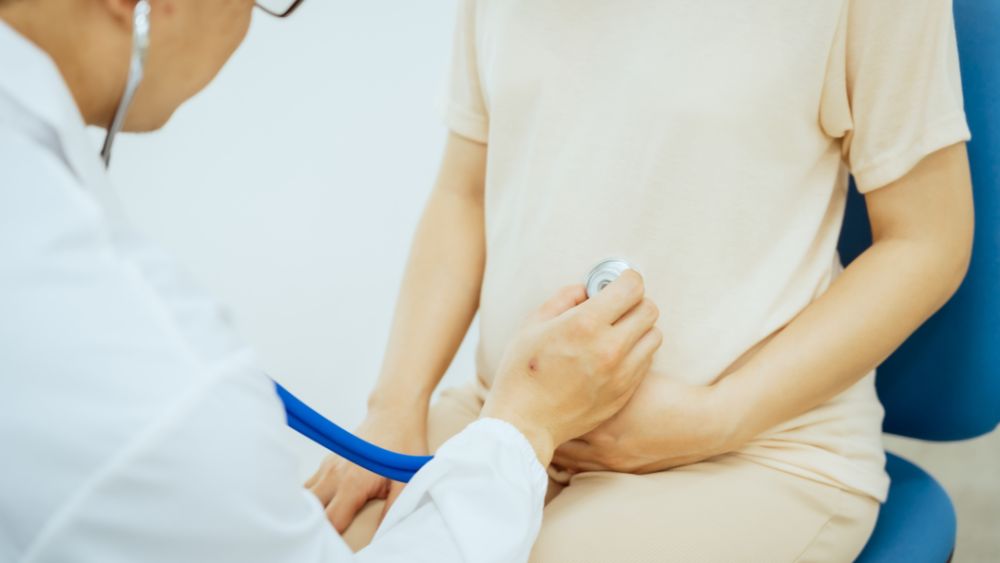
PMOS, or Polyendocrine Metabolic Ovarian Syndrome, formally known as PCOS, disrupts female reproductive health by reducing egg quality, creating an imbalanced uterine environment, and stalling regular ovulation. Directly harming fertility and pregnancy outcomes, high levels of insulin and male hormones called androgens interfere with the communication between the brain and the ovaries.
Ovulation Halts, called Anovulation
PMOS, formally known as PCOS, is the root cause behind roughly 70% of all functional anovulation cases.
It occurs when a woman’s ovaries do not release an egg during her menstrual cycle. Chronic anovulation stands as a primary cause of female infertility worldwide, because a released egg is an absolute requirement for natural conception.
Leads to Immature Follicles: Immature follicles have high levels of luteinizing hormone and insulin, keeping egg follicles from maturing fully.
Leads to Missed Periods: Because the follicles do not mature, an egg is never released during the monthly cycle, resulting in missed periods in females.
Causes Irregular Cycles: This lack of regular ovulation causes periods to become highly unpredictable, rare, or completely absent.
Lower Egg Quality
The metabolic and hormonal chaos inside the ovary directly damages the egg long before it is ever released, in women with PMOS, formally known as PCOS. It is a major cause of lower egg quality in women.
Egg quality refers to whether an egg is genetically normal and possesses enough cellular energy to implant, divide, and grow into a healthy pregnancy.
In the place of a healthy cycle rather than PMOS, an egg develops inside a fluid-filled sac (follicle) that provides it with crucial nutrients, causing the following things.
Consulting a top gynecologist in Siliguri is the best way to manage the whole-body impacts of PMOS and receive expert guidance on your reproductive health.
Leads to Hormone Toxicity: Excess androgens, the male hormones, inside the ovaries create a harsh environment for developing eggs, leading to hormone toxicity in the female body.
Struggles in Fertility: Altering the health of the egg, this hormonal stress makes successful fertilization more difficult to achieve, leading to struggles in achieving fertility.
Increased Risk of Miscarriage
PMOS, formally known as PCOS, increases the risk of early miscarriages.
Compared to 10% to 15% in the general population, some clinical studies estimated the rate of early pregnancy loss to be roughly 30% to 50%.
A Deficiency of Progesterone: Missing ovulation prevents the body from making enough progesterone to sustain a pregnancy, leading to a deficiency of progesterone.
Leading to Early Loss: High baseline insulin levels further increase the risk of early pregnancy loss.
Complications in Pregnancy
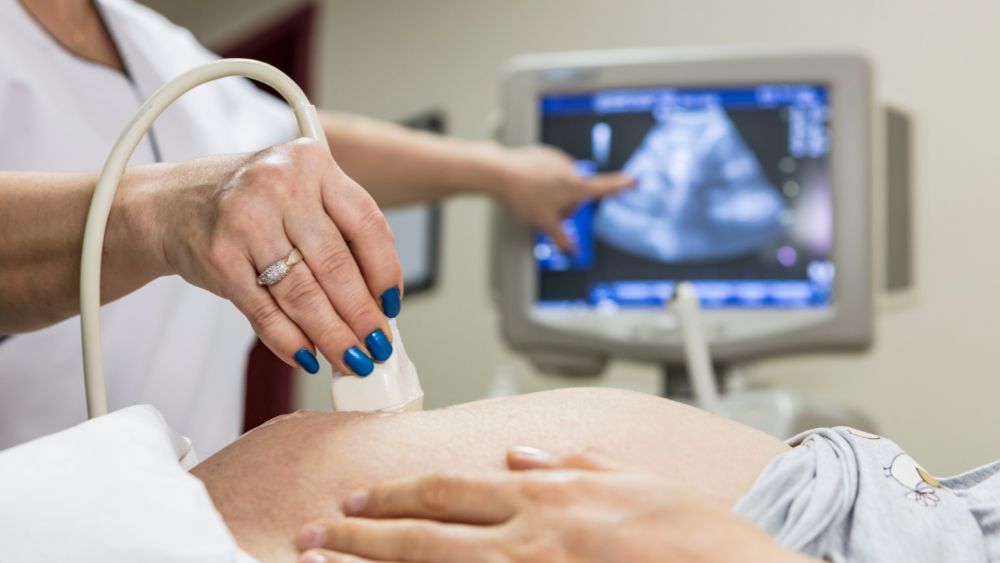
Women with this metabolic condition face a statistically higher risk of specific complications, though most can be successfully managed with early prenatal care.
Diagnosis of Gestational Diabetes: Intrinsic insulin resistance sharply spikes the risk of developing high blood sugar while pregnant, leading to the diagnosis of gestational diabetes.
Preeclampsia: Hormonal imbalances elevate the risk of dangerous, pregnancy-induced high blood pressure, causing Preeclampsia.
May Cause Preterm Delivery: Systemic inflammation and metabolic stress increase the likelihood of early labor.
Endometrial Hyperplasia: Thicker Uterine Lining
Endometrial hyperplasia is a condition where the inner lining of the uterus or the endometrium becomes abnormally thick. It is fundamentally tied to the hormonal and metabolic disruptions seen in Polyendocrine Metabolic Ovarian Syndrome, called PMOS, formally known as PCOS.
An Estrogen Buildup: Without a regular period, estrogen constantly builds up the womb lining without shedding it, leading to a buildup of estrogen, which may increase the risk of abnormal thickening of the uterine lining.
Constant Abnormal Thickening: This continuous tissue buildup causes the lining of the uterus to become unsafely thick.
Developing Cancer Risk: Over time, an un-shed uterine lining increases the long-term risk of endometrial cancer.
Also Read:-
Why Is It From PCOS to PMOS?
To accurately reflect that it is a complex, whole-body hormonal and metabolic disorder, the name of this condition was changed from being formally known as Polycystic Ovarian Syndrome, PCOS, to Polyendocrine Metabolic Ovarian Syndrome, or PMOS.
And to address several critical issues, this change was driven by over 50 global patient and medical organizations.
Reduce Stigma:
As the old term PCOS was deeply tied to a woman’s health identity directly to her reproductive organs and fertility, reducing stigma is a critical goal of the name change from PCOS to PMOS.
The medical community removes the heavy emotional and cultural baggage associated with reproductive terminology by shifting to Polyendocrine Metabolic Ovarian Syndrome or PMOS.
The Common Myth of Cysts:
The first point is called “the myth of cysts” because the cysts associated with this condition are actually normal ovarian follicles that failed to mature and release an egg due to a hormonal imbalance.
They are not true cysts, which are typically large, isolated, fluid-filled sacs that can cause pain or require surgery.
Many women with the condition do not actually develop ovarian cysts. And when there is an ultrasound, these multiple tiny, underdeveloped follicles look like a "string of pearls," which led doctors decades ago to mistakenly name the condition "Polycystic Ovary Syndrome mistakenly".
Metabolism First:
Rather than a side effect of ovarian issues, metabolism is the core driver of the condition. Shifting the medical focus from a localized reproductive issue to a systemic, body-wide metabolic disorder is the name Polyendocrine Metabolic Ovarian Syndrome, or PMOS.
Historically, the old name (PCOS) treated weight gain and insulin resistance as secondary symptoms, but modern science shows they are often the primary root causes.
PMOS emphasizes the wide-ranging endocrine and metabolic aspects of the condition, such as insulin resistance, weight fluctuations, and diabetes risk.
Conclusion
Polyendocrine Metabolic Ovarian Syndrome, famously known as PMOS, is the officially updated name of Polycystic Ovarian Syndrome or PCOS. If you have any concerns about your reproductive health, you can simply consult the best gynecologist in Siliguri.
If you experience irregular periods, fertility concerns, acne, excessive hair growth, or unexplained weight gain, consult Dr. Priyankur Roy, a trusted gynaecologist in Siliguri, for personalized diagnosis and treatment.
Reference:-

Dr. Priyankur Roy
MBBS, MS, PGDMLS, PGDHHM, FIAOG
Dr. Priyankur Roy is a distinguished expert in Infertility Treatment and Gynae-Endoscopy. With advanced qualifications from Germany and the UK, he excels in providing high-quality medical care.
This blog is clinically verified by Dr. Priyankur Roy to ensure accuracy and reliability.
Comments (0)

