Have you ever wondered why your periods suddenly become late, early, heavier, lighter, or unpredictable? Irregular periods are common among women of different age groups, but when they happen repeatedly, they should not be ignored.
Your menstrual cycle can be affected by many factors, including stress, hormonal imbalance, weight changes, thyroid problems, PCOS, lifestyle habits, and nutritional deficiencies. One important nutritional factor that often gets discussed is iron deficiency.
So, can iron deficiency cause irregular periods? The answer is: it may contribute to menstrual changes in some cases, especially when iron deficiency becomes severe or leads to anemia. However, it is also important to understand that heavy menstrual bleeding is one of the most common reasons women develop iron deficiency in the first place. This means the relationship can work both ways.
If you are experiencing irregular periods, heavy bleeding, tiredness, or symptoms of anemia, consulting an experienced Gynaecologist in Siliguri can help you find the exact cause and get the right treatment.
What Are Irregular Periods?
A regular menstrual cycle usually comes every 21 to 35 days. However, every woman’s cycle is different. A period may be considered irregular when there are frequent changes in timing, flow, or duration.
Irregular periods may include:
-
Periods that come too early or too late
-
Missed periods
-
Very heavy bleeding
-
Very light bleeding
-
Spotting between periods
-
Periods lasting more than 7 days
-
Cycle length changes every month
-
No periods for several months
Occasional changes can happen due to stress, travel, illness, or lifestyle changes. But if irregular periods continue for several cycles, medical evaluation is important.
Common Causes of Irregular Periods
Irregular periods usually happen because of changes in reproductive hormones such as estrogen and progesterone. These hormonal changes may be caused by lifestyle factors, medical conditions, medications, or natural life stages.
1. PCOS
Polycystic Ovary Syndrome, or PCOS, is one of the most common causes of irregular periods. It can affect ovulation and increase androgen levels, which may lead to delayed, missed, or unpredictable periods.
2. Thyroid Disorders
Both hypothyroidism and hyperthyroidism can affect menstrual cycles. Since the thyroid controls metabolism and influences hormone balance, thyroid problems may cause heavy, light, delayed, or irregular periods.
3. Stress
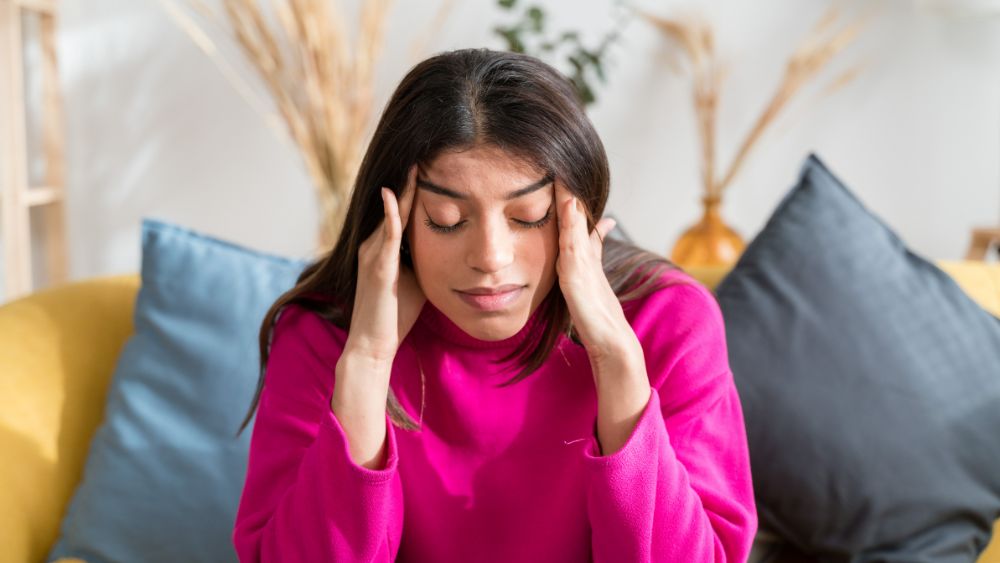
High stress can affect the brain signals that control ovulation. When ovulation is delayed or does not happen, periods may become irregular.
4. Weight Changes
Sudden weight gain, sudden weight loss, obesity, or eating disorders can affect estrogen levels. This may disturb ovulation and cause menstrual irregularity.
5. Excessive Exercise
Very intense exercise, especially with low body fat or poor nutrition, can affect reproductive hormones. This may lead to delayed periods or missed periods.
6. Uterine Fibroids and Polyps
Fibroids and polyps are structural problems inside or around the uterus. They may cause heavy bleeding, prolonged periods, spotting, or irregular bleeding.
7. Pelvic Inflammatory Disease
Pelvic Inflammatory Disease, or PID, is an infection of the female reproductive organs. It may cause pelvic pain, abnormal discharge, irregular bleeding, and discomfort.
8. Diabetes and Insulin Resistance
Uncontrolled diabetes or insulin resistance can affect ovarian function and hormone balance, which may lead to irregular periods.
9. Medications and Birth Control
Hormonal pills, injections, implants, IUDs, steroids, blood thinners, antidepressants, and some other medicines may affect menstrual bleeding patterns.
10. Puberty and Perimenopause
During puberty, periods may take a few years to become regular. During perimenopause, usually in the 40s, hormone levels naturally fluctuate, causing irregular cycles before menopause.
Can Iron Deficiency Cause Irregular Periods?
Iron deficiency may contribute to irregular periods, especially when it becomes severe and leads to iron-deficiency anemia. Iron is important for making hemoglobin, a protein in red blood cells that carries oxygen throughout the body.
When iron levels are very low, the body may not function at its best. Severe anemia can cause weakness, fatigue, dizziness, and reduced oxygen supply to tissues. In some cases, this overall physical stress may indirectly affect hormonal balance and menstrual health.
However, it is important to say this clearly: iron deficiency is not always the direct cause of irregular periods. In many women, heavy or prolonged menstrual bleeding causes iron deficiency instead.
So, if you have both irregular periods and low iron, your doctor will usually try to find out whether:
-
Heavy bleeding caused an iron deficiency
-
Iron deficiency is affecting your overall health
-
Another condition, such as PCOS, thyroid disorder, fibroids, or hormonal imbalance, is causing both symptoms
This is why proper diagnosis is important.
How Heavy Periods Can Cause Iron Deficiency
Heavy menstrual bleeding is one of the most common causes of iron deficiency in women. When you lose too much blood during periods, your body also loses iron. If this continues for months, your iron stores may become low.
Over time, this may lead to iron-deficiency anemia.
Heavy periods may include:
-
Soaking pads or tampons very quickly
-
Passing large blood clots
-
Bleeding for more than 7 days
-
Needing to change protection during the night
-
Feeling weak or dizzy during periods
-
Periods affecting daily life
If heavy bleeding is not treated, iron levels may continue to drop. This can create a cycle where heavy periods cause low iron, and low iron makes you feel weaker and more unwell.
Symptoms of Iron Deficiency in Women
Iron deficiency does not always show obvious symptoms in the beginning. But as iron levels drop, you may notice changes in your energy, appearance, and overall health.
Common symptoms include:
-
Constant tiredness
-
Weakness
-
Dizziness or lightheadedness
-
Pale skin
-
Shortness of breath
-
Fast heartbeat
-
Headache
-
Hair fall
-
Brittle nails
-
Cold hands and feet
-
Poor concentration
-
Feeling exhausted during periods
If these symptoms happen along with irregular or heavy periods, you should consult a doctor.
How Iron Deficiency May Affect Menstrual Health
Iron deficiency can affect the body in several ways. While it may not directly cause irregular periods in every woman, severe deficiency may contribute to menstrual changes indirectly.
1. It Can Increase Physical Stress on the Body
When the body does not have enough iron, it may struggle to carry oxygen properly. This can create physical stress, which may affect normal body functions, including reproductive health.
2. It May Worsen Fatigue During Periods
Women with low iron may feel extremely weak during menstruation. Even normal bleeding may feel difficult to manage when iron levels are already low.
3. It May Be Linked With Heavy Bleeding
In many cases, iron deficiency is a result of heavy periods. Therefore, if a woman has low iron, the doctor may also check for causes of heavy menstrual bleeding.
4. Severe Anemia May Affect Hormonal Balance
In severe cases, anemia can affect overall health and may disturb normal hormonal function. This can sometimes contribute to delayed or missed periods.
Tests a Doctor May Recommend
If you visit a Top Gynaecologist in Siliguri for irregular periods and suspected iron deficiency, the doctor may suggest some tests based on your symptoms.
Common tests may include:
-
Complete Blood Count, or CBC
-
Serum ferritin test
-
Serum iron test
-
Thyroid profile
-
Pregnancy test
-
Hormonal tests
-
Blood sugar test
-
Pelvic ultrasound
-
Tests for PCOS, if needed
These tests help identify whether your symptoms are due to anemia, hormonal imbalance, thyroid disease, PCOS, fibroids, pregnancy-related changes, or another condition.
How to Improve Iron Levels Safely
If iron deficiency is confirmed, treatment should be done under medical guidance. Do not take high-dose iron supplements without consulting a doctor, as excess iron can also cause health problems.
1. Eat Iron-Rich Foods
Include iron-rich foods in your daily diet. There are two types of dietary iron: heme iron and non-heme iron.
Heme iron is found in animal-based foods and is absorbed more easily. Sources include:
-
Fish
-
Chicken
-
Eggs
-
Lean meat
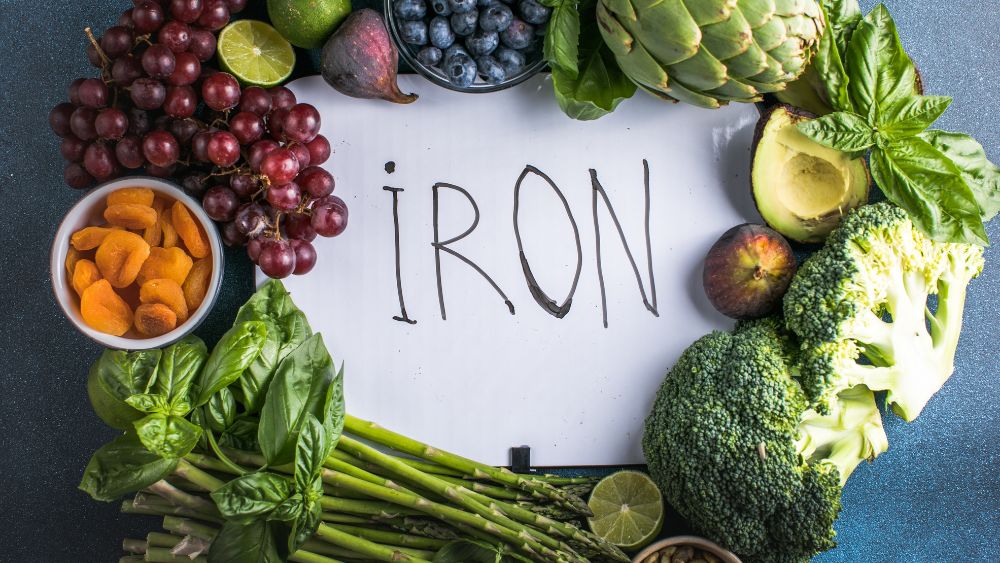
Non-heme iron is found in plant-based foods. Sources include:
-
Lentils
-
Beans
-
Spinach
-
Tofu
-
Pumpkin seeds
-
Dates
-
Raisins
-
Iron-fortified cereals
2. Add Vitamin C
Vitamin C helps your body absorb iron better. You can take iron-rich foods with:
-
Lemon
-
Orange
-
Amla
-
Guava
-
Strawberries
-
Bell peppers
For example, adding lemon juice to spinach or dal can improve iron absorption.
3. Avoid Tea or Coffee With Iron-Rich Meals
Tea and coffee can reduce iron absorption when taken with meals. Try to avoid them immediately before or after iron-rich foods or iron supplements.
4. Take Supplements Only if Prescribed
If your iron levels are low, your doctor may prescribe oral iron tablets. In severe cases, or if tablets are not tolerated, IV iron may be advised. The right treatment depends on your hemoglobin level, ferritin level, symptoms, and overall health.
Also Read:-
When Should You See a Gynecologist for the First Time
Can UTI Delay Your Period?
How Lifestyle Can Cause Menstrual Irregularities: A Guide from Your Gynecologist
When Should You Consult a Gynaecologist?
You should not ignore irregular periods if they happen repeatedly or come with other symptoms.
Consult a doctor if you have:
-
Very heavy bleeding
-
Periods lasting more than 7 days
-
Missed periods for 3 months
-
Severe period pain
-
Bleeding between periods
-
Bleeding after intercourse
-
Dizziness or fainting
-
Extreme fatigue
-
Symptoms of anemia
-
Irregular periods with weight gain, acne, or facial hair growth
-
Difficulty getting pregnant
Early diagnosis can prevent complications and help you receive the right treatment at the right time.
Why Choose Dr. Priyankur Roy?
Dr. Priyankur Roy is known for offering personalised care for women’s reproductive health concerns. Patients looking for the best gynaecologist in Siliguri often seek expert guidance for irregular periods, infertility, high-risk pregnancy, and reproductive health issues.
He provides advanced fertility-related treatments such as IVF, IUI, and ICSI, along with customised treatment planning based on each patient’s condition. His approach focuses on proper diagnosis, patient comfort, and evidence-based care.
If your irregular periods are linked with hormonal imbalance, heavy bleeding, anemia, or fertility concerns, consulting an experienced specialist can help you understand the root cause and choose the right treatment path.
Conclusion
So, can iron deficiency cause irregular periods? In some cases, severe iron deficiency or iron-deficiency anemia may contribute to menstrual changes by affecting overall body function and hormonal balance. However, heavy menstrual bleeding is more commonly a cause of iron deficiency.
Irregular periods can also happen due to PCOS, thyroid disorders, stress, weight changes, fibroids, medications, or natural hormonal transitions. That is why self-diagnosis is not enough.
If you are facing irregular periods, heavy bleeding, fatigue, dizziness, or symptoms of low iron, consult Dr. Priyankur Roy, an experienced Gynaecologist in Siliguri, for proper evaluation and personalised care. Early diagnosis can help protect your menstrual health, fertility, and overall well-being.
Disclaimer: This blog is for educational purposes only and should not replace medical advice from a qualified doctor.