



Taking care of your reproductive health is something every woman should prioritize, but it’s normal to feel unsure about when to take that first step. You may wonder, "When should I visit a gynecologist for the first time?” The truth is, there’s no single answer; it depends on your age, your body, and any changes you might be noticing. If you’re in Siliguri, visiting a gynaecologist in Siliguri can help you understand your body better and give you guidance that’s just right for you.
Whether you’re a teenager experiencing the changes of puberty or an adult noticing irregular periods or other symptoms, scheduling your first gynecologist visit can make a big difference. It’s not just about addressing problems; it’s about learning what’s normal for your body, getting preventive care, and feeling confident about your health. A first visit can set the foundation for a lifetime of informed and proactive reproductive care.
Why Should You See a Gynecologist for the First Time?
A gynecologist is more than just a doctor who helps with pregnancy; they are your guide to understanding and taking care of your reproductive health. From menstrual issues, hormonal changes, and sexual health to contraception, fertility concerns, and preventive screenings like Pap smears, they cover it all. Regular visits give you a clear picture of your health and help catch potential issues early, so you can stay confident about your body.
Many women wait to see a gynecologist only when something feels wrong, but preventive care is just as important. Even a single visit can teach you so much about your body, help you understand what’s normal, and prevent problems before they start. It’s not just a check-up; it’s a step toward feeling empowered and informed about your health.
What Is the Right Age to See a Gynecologist for the First Time?
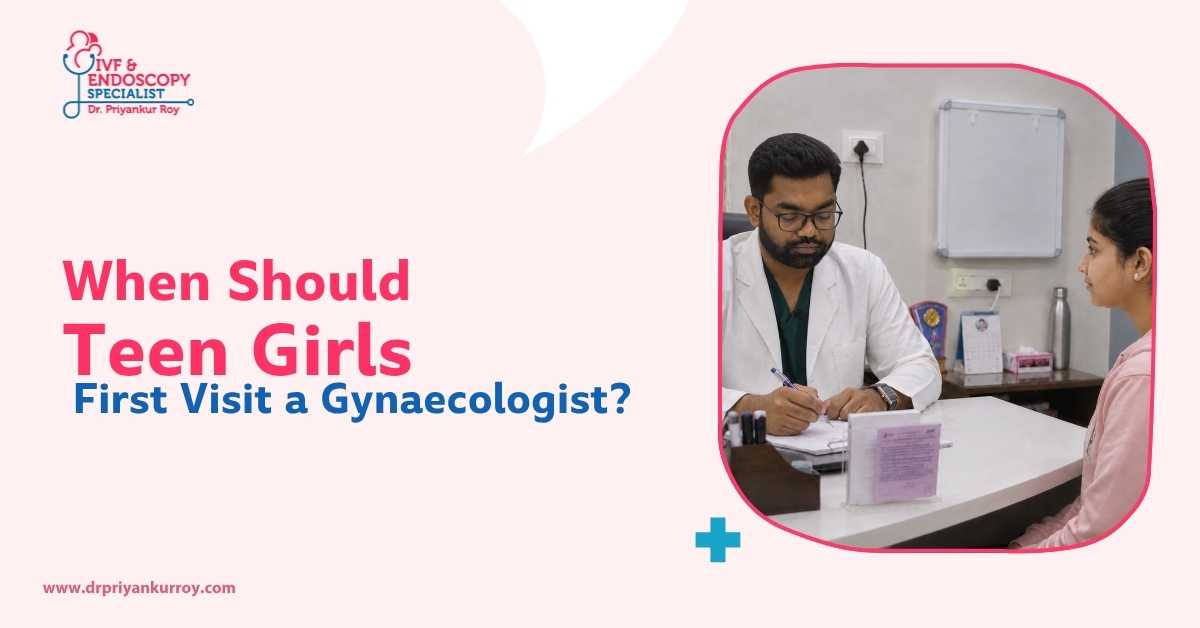
Many people ask themselves, "Am I too young to see a gynecologist?" Although there is no ideal age, experts advise making your first appointment with a gynecologist between the ages of 13 and 15. According to medical guidelines from the World Health Organization (WHO), the Federation of Obstetric and Gynaecological Societies of India (FOGSI), and the American College of Obstetricians and Gynecologists (ACOG), adolescents are encouraged to have their first gynecological visit between the ages of 13 and 15. These early visits focus on education, preventive care, and building comfort with reproductive health discussions rather than performing invasive examinations.Even if you haven’t started menstruating yet, this visit can provide:

- Education about puberty: Understand the changes your body will go through.
- Guidance on menstruation: Learn what’s normal for cycles, cramps, and flow.
- Preventive care: Vaccinations like HPV can be discussed.
- Healthy habits: Nutrition, exercise, and lifestyle choices that affect reproductive health.
If you are older and haven’t visited a gynecologist before, it’s never too late. Many women in their 20s or 30s schedule their first visit when planning pregnancy, starting contraception, or noticing changes in their cycles.
When to Visit a Gynecologist: Signs You Shouldn’t Ignore
While routine visits are essential, certain signs mean you should see a gynecologist sooner rather than later. These include:
- Irregular or painful periods: Severe cramps, heavy bleeding, or sudden changes in your cycle.
- Unusual discharge or odor: Could indicate infections.
- Pelvic pain: Persistent pain should not be ignored.
- Pain during intercourse: Might signal an underlying issue.
- Pregnancy concerns: Planning or preventing pregnancy.
- Hormonal issues: Sudden acne, unwanted hair growth, or weight changes.
These situations are exactly when you should not wait. Knowing when to visit a gynecologist helps you prevent small issues from turning into bigger problems.
What Happens During Your First Gynecologist Visit?
Many women feel nervous about what will happen during their first gynecologist visit, but it’s simpler than you think. Here’s what to expect:

1) Talking About Your Health History
Your gynecologist will ask about your menstrual cycle, sexual activity (if any), family history, and lifestyle. This helps them understand your reproductive health and risks.
2) General Check-Up
Your doctor may check your height, weight, blood pressure, and general physical health.
3) Pelvic Exam
For teens or women who are not sexually active, a pelvic exam may not be necessary at the first visit. If it is required, your gynecologist will explain the procedure and ensure your comfort.
4) Screenings and Tests
Depending on your age, you may have preventive screenings like Pap smears or STI tests. These screenings help detect early signs of infections or abnormalities.
5) Guidance and Education
Your gynecologist will answer questions about menstruation, sexual health, contraception, fertility, and overall reproductive wellness. This is the time to ask anything you’ve been curious about; no question is too small.
How Often Should You Visit a Gynecologist?
After your first gynecologist visit, your doctor will recommend how often you should return. Generally:
- Teens: Annually for preventive guidance, vaccinations, and education.
- Adults: Yearly check-ups help monitor cycles, manage contraception, and detect issues early.
- Pregnancy or fertility planning: More frequent visits for close monitoring.
Regular visits help build trust and make it easier to discuss sensitive topics in the future.
Feeling Nervous? Here’s How to Prepare for Your First Appointment
Preparation makes the first visit less stressful. Here’s a simple guide:
- List your questions: Write down any doubts about your periods, sexual health, or reproductive system.
- Track your cycle: Note start and end dates, symptoms, and irregularities.
- Bring medical history: Include family history of reproductive conditions and any medications.
- Relax and be honest: gynecologists are trained to be understanding and non-judgmental.
Being open about your health ensures you get the right advice and care.
Clearing Up Common Myths About Gynecologist Visits
Many women delay visiting a gynecologist because of common myths. Let’s clear them up in a simple way.
“I only need a gynecologist if I’m sexually active.”
Not true. A gynecologist also helps with irregular periods, painful cramps, hormonal changes, and overall reproductive health. You don’t need to be sexually active to book an appointment.
“The first visit will be painful.”
Most first visits are mainly about talking and understanding your health history. A pelvic exam may not even be required. Your doctor will always make sure you feel comfortable.
“I should wait until I have a problem.”
Preventive checkups are important. Regular visits can help detect issues early and promote long-term health.
The Long-Term Advantages of Starting Early

Visiting a gynecologist early has several benefits:
- Education: Learn what’s normal and what isn’t for your body.
- Prevention: Conditions like cervical dysplasia or PCOS can be caught early.
- Confidence: Build trust in your doctor and feel empowered about your health.
- Peace of Mind: Reduce anxiety by understanding your reproductive system.
Even if everything seems fine, the first visit establishes a baseline for your health, making it easier to notice changes over time.
Choosing the Best Gynecologist in Siliguri
Finding the best gynecologist in Siliguri ensures your first visit is comfortable and informative. Look for someone:
- Experienced and approachable
- Knowledgeable about preventive care and screenings
- Patient and understanding
A trusted gynecologist can answer your questions about puberty, menstrual cycles, contraception, and reproductive health without making you feel embarrassed or rushed.
Also Read:-
When Should You Schedule Your First Visit?
To summarize, you should consider scheduling your first gynecologist visit:
- Between the ages of 13 and 15 for preventive guidance
- When experiencing irregular or painful periods
- If you notice unusual discharge or pelvic pain
- When planning pregnancy or contraception
- If you have questions about puberty, hormones, or sexual health
Paying attention to these signs helps you know when to visit a gynecologist and ensures your reproductive health is well taken care of.
Final Thoughts
Your reproductive health is an essential part of your overall well-being. Visiting a gynecologist for the first time may feel intimidating, but it’s actually an empowering step toward understanding your body and taking control of your health. Early visits educate, prevent issues, and give peace of mind for years to come.
If you’re planning your first visit, Dr. Priyankur Roy, a trusted gynecologist in Siliguri, is here to guide you with compassionate and personalized care. Take that first step today and feel confident knowing you’re in safe, experienced hands.

Dr. Priyankur Roy
MBBS, MS, PGDMLS, PGDHHM, FIAOG
Dr. Priyankur Roy is a distinguished expert in Infertility Treatment and Gynae-Endoscopy. With advanced qualifications from Germany and the UK, he excels in providing high-quality medical care.
This blog is clinically verified by Dr. Priyankur Roy to ensure accuracy and reliability.
Comments (0)