


Period changes, unusual discharge, pelvic pain, or unexpected bleeding can sometimes be signs of a health problem. But how do you know which symptoms need a doctor's attention? Knowing when to see a gynaecologist can help you get the right care at the right time. Women and teenage girls may visit a gynaecologist for period problems, heavy bleeding, unusual vaginal discharge, pelvic pain, difficulty getting pregnant, or menopause-related concerns. If you are experiencing any of these concerns, consulting a Gynaecologist in Siliguri can help you understand the possible reasons and discuss the next steps. Here are some common symptoms women should not ignore.
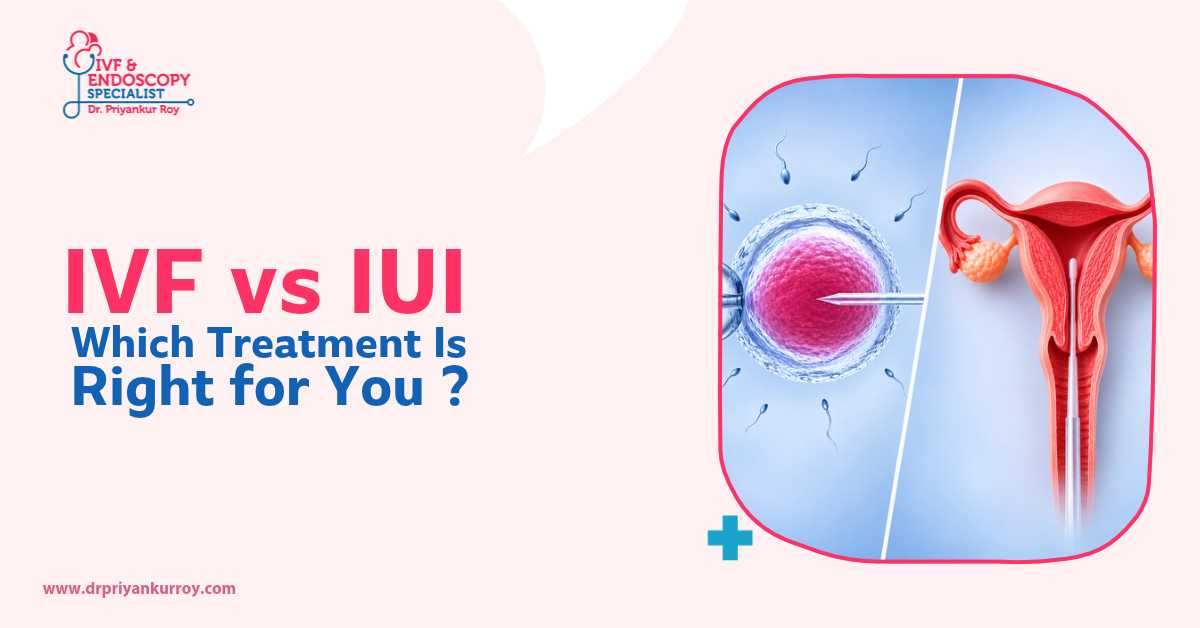
Also Read: IVF vs IUI: Which Treatment Is Right for You?
10 Signs You Should See a Gynaecologist
Irregular or Missed Periods
If your menstrual cycle changes suddenly or your periods stop without an expected reason, consult a gynaecologist. You may notice:
- Periods arriving earlier or later than usual.
- Long gaps between periods.
- Missing periods without an expected reason.
- Changes in your usual menstrual cycle.
Very Heavy or Prolonged Menstrual Bleeding
Periods that are much heavier or last longer than usual are worth discussing with a gynaecologist. Look out for:
- Periods that last longer than they normally do.
- Having to change menstrual products very frequently.
- Passing unusually large blood clots.
- Feeling tired, weak or breathless.
- Bleeding that affects your daily activities.
Severe Menstrual Cramps
If period pain affects your daily activities, it is worth discussing with a gynaecologist. Notice if you have:
- Cramps that make working or studying difficult.
- Pain that disturbs your sleep.
- Cramps that become worse over time.
- Pain that continues after your period.
- Pain that does not improve with your usual measures.
Unusual Vaginal Discharge or Odour
Vaginal discharge can change during your menstrual cycle. But a noticeable change in its colour, smell, or consistency is worth discussing with a gynaecologist.
Other changes to look out for include:
- An unpleasant or unusual smell.
- Itching or irritation.
- Burning around the vaginal area.
- Changes in the amount of discharge.
- Discomfort that continues for several days.
Avoid taking medication without knowing what is causing the change.
Persistent Pelvic or Lower Abdominal Pain
Pain in the lower abdomen or pelvic area can occur for different reasons. Speak with a gynaecologist if you experience:
- Pelvic pain that occurs between periods.
- Pain that keeps coming back.
- Pain while urinating.
- Discomfort during bowel movements.
- Pain that disrupts sleep or daily life.
Pain or Bleeding During or After Sex
Pain or bleeding during or after sex is a reason to speak with a gynaecologist. You may experience:
- Pain during intercourse.
- Discomfort after intercourse.
- Vaginal dryness.
- Bleeding after sex.
- Burning or irritation during sex.
Feel comfortable sharing these concerns with your doctor.
Difficulty Getting Pregnant
If you have been trying to conceive without success, a gynaecologist can help you understand what steps may be appropriate. You may need an appointment if:
- If you are under 35 and have not conceived after trying for a year.
- If you are 35 or older and have not conceived after six months.
- Your periods are irregular.
- You have a known reproductive health concern.
- You have questions about ovulation or your menstrual cycle.
You can consult a gynaecologist earlier if you have any concerns about your reproductive health.
Breast Changes or Unusual Nipple Discharge
If you find a lump or notice something unusual about your breasts, talk to a healthcare professional. Watch for changes such as:
- A new lump in your breast.
- Any noticeable change in breast size or shape.
- Fluid coming from the nipple without squeezing it, especially if it is bloody.
- A change in how your nipple looks.
- Redness, swelling, or dimpling of the breast skin.
You can start by discussing these changes with a gynaecologist, who can advise you if you need to see a breast specialist.
Symptoms During Perimenopause or Menopause
Menstrual cycles can become irregular as menopause approaches. You may also experience other changes, such as:
- Periods becoming lighter, heavier, or less frequent.
- Hot flashes or night sweats.
- Vaginal dryness.
- Pain or discomfort during sex.
- Changes in urination or urinary discomfort.
These symptoms may disturb your sleep and daily routine. If you have vaginal bleeding after menopause, speak with a doctor, even if you notice only a few drops of blood.
Itching, Burning or Discomfort in the Vaginal Area
Itching or burning around your vagina can make it uncomfortable to sit, walk, or go about your day. You may also experience:
- Itching continues for several days.
- Burning around the vaginal area.
- A burning feeling when you pass urine.
- Sores or blisters around the vaginal area.
- Redness, swelling, or skin irritation.
- Itching or irritation that keeps coming back.
These problems can happen for different reasons. Rather than trying random creams or medicines, speak with a gynaecologist. The doctor can check the area and suggest what may help.
Which Gynaecological Symptoms Need Immediate Medical Attention?
Some symptoms need medical attention without delay. Seek immediate care if you experience:
- Severe or sudden pelvic pain: Pain that starts suddenly, becomes intense or gets worse, especially with vomiting or faintness.
- Very heavy vaginal bleeding: Bleeding accompanied by dizziness, weakness, or breathlessness.
- Possible ectopic pregnancy: Pelvic or abdominal pain with unusual bleeding if you may be pregnant.
- Bleeding or severe pain during pregnancy: Contact a healthcare professional promptly rather than waiting for your next scheduled appointment.
- Fever with pelvic pain or unusual discharge: Seek medical advice if these symptoms occur together.
The symptoms and their severity may differ from person to person. Severe pain, fainting, or significant blood loss require immediate medical attention.
Do You Need to See a Gynaecologist Even Without Symptoms?
Yes, you can visit a gynaecologist even when you feel healthy. An appointment gives you time to discuss your reproductive health and ask questions about concerns you may have.
You may consider a visit for:
- Routine health discussions: Talk about your periods, contraception, sexual health or personal concerns.
- Cervical cancer screening: Ask when you should have screening based on your age, medical history, and previous results.
- Pregnancy planning: Discuss your health, existing medical conditions, and medications before planning a pregnancy.
- Menstrual health during adolescence: Seek advice about painful or heavy periods that affect everyday activities.
- Menopause-related concerns: Discuss vaginal dryness, sleep difficulties or other changes affecting your routine.
At the end
For women, staying aware of their health is important. Signs such as irregular periods, heavy bleeding, severe cramps, unusual vaginal discharge, pelvic pain, breast changes, and vaginal itching should not be ignored. Knowing when these changes need medical attention can help you take the right steps.You do not have to wait until a symptom becomes severe before seeking medical advice. If you experience any of these concerns, consult a Gynaecologist in Siliguri to understand the possible cause and discuss the next steps. You can also visit a gynaecologist without having any major health concerns. Regular consultations give you a chance to discuss your menstrual and reproductive health, address concerns early, and understand whether you need any tests or further care.
Frequently Asked Questions
What Are the Red Flags for Gynaecological Problems?
Unusual vaginal bleeding, severe pelvic pain, persistent itching, unusual discharge, and pain during sex are some signs that need attention. Speak to a gynaecologist if these symptoms continue or affect your daily routine.
What Is the Most Painful Gynaecological Procedure?
Pain differs from person to person and depends on the procedure. Some women experience discomfort during an IUD insertion, endometrial biopsy, or hysteroscopy. Ask your gynaecologist about the procedure and what you may experience.
Should Teenagers Visit a Gynaecologist?
Yes. Teenagers can visit a gynaecologist to discuss period pain, irregular periods, menstrual health or other concerns related to puberty.
Can I Visit a Gynaecologist During My Period?
Yes, you can visit a gynaecologist during your period. You do not usually need to change your appointment. Tell the doctor about your bleeding and any discomfort you are experiencing.

Dr. Priyankur Roy
MBBS, MS, PGDMLS, PGDHHM, FIAOG
Dr. Priyankur Roy is a distinguished expert in Infertility Treatment and Gynae-Endoscopy. With advanced qualifications from Germany and the UK, he excels in providing high-quality medical care.
This blog is clinically verified by Dr. Priyankur Roy to ensure accuracy and reliability.