





During a girl's teenage years, major physical, hormonal, and emotional changes happen; among them, menstruation is one of the most important changes during adolescence.
At that time, girls have many questions related to their periods, pain, bleeding, hygiene, discharge, or changes in their bodies, but may hesitate to discuss them. To consult with a gynaecologist, she does not need to wait until she has a serious problem. Parents and caregivers should also know the situations and consult with a gynaecologist in Siliguri promptly.
When Should a Teen Girl First Visit a Gynaecologist?
Generally, ages 13 to 15 years are considered for a first gynaecologist visit, even if there are no specific issues. The first visit helps a teen understand things related to their periods, proper hygiene, and their reproductive health.
But if you have some issues like:
● Heavy periods or pain
● Heavy or prolonged bleeding
● Very irregular periods
● Missed periods
● Long gaps between periods
● Delayed first period
● Pelvic or lower abdominal pain
● Unusual vaginal discharge
● Itching or burning
● Bad vaginal odour
● Bleeding between periods
● Pain while urinating
● Concerns about puberty
● Concerns about body development
● Frequent dizziness or weakness during periods
● Questions about menstrual hygiene
● Reproductive or sexual health concerns
If a teen has all these problems, then she must consult with the top gynecologist in Siliguri.
Signs a Teen Girl or Parent Should Not Ignore
Here are the common signs that a teen girl or parent should not ignore:
Common Signs
● Very painful period cramps
● Heavy or prolonged periods
● Irregular or missed periods
● Long gaps between periods
● Unusual vaginal discharge
● Bad or unusual vaginal odour
● Vaginal itching or burning
● Pelvic or lower abdominal pain
● Bleeding between periods
● Pain while urinating
● Frequent dizziness or weakness
● Delayed first period
● Sudden changes in menstrual patterns
What Teens Should Pay Attention To
● Pain that stops normal activities
● Symptoms that keep coming back
● Changes that feel unusual for her
● Questions or worries about puberty
● Discomfort she feels embarrassed to discuss
What Parents Should Watch For
● Missing school because of period pain
● Frequently changing pads due to heavy bleeding.
● Ongoing tiredness or weakness
● Repeated menstrual irregularities
● Persistent abdominal or pelvic discomfort
● Symptoms that are worsening
● Any health concern affecting her daily routine
Why Is Early Gynaecological Consultation Important?
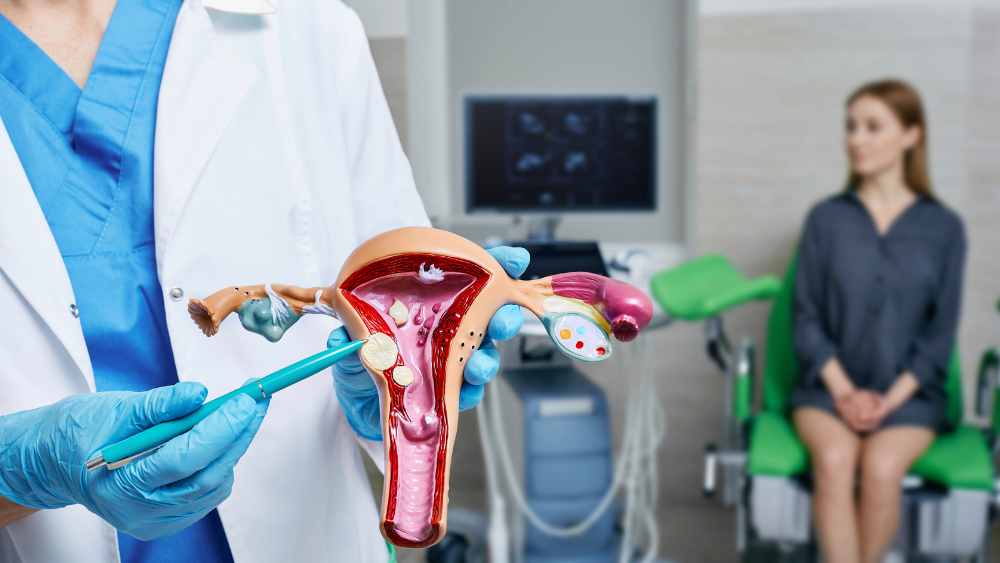
Early gynaecological consultation does not always mean a serious problem. It helps teens understand what is normal and when to seek medical help when something feels unusual.
Helps Identify Health Concerns Early
If a teen has heavy periods or painful periods, irregular cycles, or unusual discharge, consulting with the top gynaecologist in Siliguri can help them understand the conditions and avoid unnecessary worry or future risk.
Gives Teens a Comfortable Space to Talk
When periods start, many questions arise in their mind related to periods, vaginal symptoms, cleanliness, or changes in their body, but they feel embarrassed to discuss them; consulting with a doctor can give them a chance to discuss all this openly and stay informed.
Helps Understand What Is Normal
A gynaecologist helps a teen understand what changes are normal and what changes need extra care or medical attention because puberty does not look the same for every girl.
Builds Menstrual Health Awareness
Early consultation with a gynecologist builds awareness related to a teen's menstrual cycles, period hygiene, managing cramps, tracking periods, and recognising changes worth discussing with a healthcare professional.
Encourages Healthy Communication
Early conversations can make reproductive health feel less embarrassing. Teenagers may become more comfortable asking questions and telling their parents or doctor when something does not feel right.
Provides Reassurance
An unusual symptom does not always mean a serious problem. A professional check can help clear up concerns and provide peace of mind.
How to Choose a Qualified Gynaecologist for an Adolescent?
Choosing a gynaecologist for a teenager is not just about checking a doctor’s qualifications. Experience, communication, privacy, and how comfortable your teen feels also matter.
What to Look For
Check the doctor’s qualifications: Make sure the doctor has recognised medical and specialist qualifications.
Check registration: Make sure the doctor is properly registered to practise.
Look for adolescent experience: Experience with teenage and menstrual health can be helpful.
Choose clear communication: The doctor should explain things in simple words.
Make sure your teen feels comfortable: She should feel free to ask questions.
Choose a doctor who listens:Your teen should feel heard without being judged.
Ask about examinations: The doctor should explain an examination before doing it.
Check privacy:Your teen’s personal concerns should be handled respectfully.
Look at the clinic environment: A calm and comfortable setting can make the visit easier.
Choose a doctor who gives enough time: Your teen should not feel rushed.
Ask about tests or medicines: The doctor should explain why they are needed.
Why Does It Matter?
Better understanding of symptoms: A doctor can assess the problem instead of guessing the cause.
Right tests when needed: They can suggest tests only when there is a reason for them.
Clear treatment advice: They can explain treatment options in easy-to-understand language.
Avoids unnecessary treatment:Proper assessment can help avoid unnecessary medicines or tests.
Better menstrual guidance:Teens can learn more about periods, hygiene, puberty, and reproductive health.
Helps recognise warning signs: The doctor can explain which symptoms need attention.
Helps parents understand:Parents can get clear advice about their teen’s concerns.
Builds trust: A comfortable experience can make teens more willing to seek care in the future.
Encourages healthy habits: Good guidance can help teens take better care of their reproductive health.
What Should Parents Look for When Choosing a Gynaecologist?
Choosing a gynaecologist for a teenager is not only about qualifications or convenience. The doctor’s experience, communication, and approach to adolescent care also matter.
● Recognised medical qualifications
● Proper medical registration
● Experience with adolescent healthcare
● Knowledge of menstrual and puberty-related concerns
● Clear and simple communication
● Respectful and non-judgmental behaviour
● Comfortable environment for teenagers
● Respect for privacy and confidentiality
● Willingness to explain tests and treatments
● Encourages the teenager to ask questions
● Gives the teenager a chance to participate in her care
The most important thing is that your teen feels safe, respected, and comfortable enough to speak honestly about her health concerns.
What Happens During a Teen’s First Gynaecologist Visit?
Knowing what happens during their visit to a top gynaecologist in Siliguri makes it easier for every teen:
Before the Visit
● Track recent periods.
● Note unusual symptoms.
● Write down questions.
● List current medicines.
● Carry relevant health records.
During the Consultation
● Discuss periods and puberty.
● Share symptoms and concerns.
● Answer health-related questions.
● Have basic checks if needed.
● Get tests only if required.
● Ask questions freely.
● Discuss next steps.
After the Visit
● Follow the doctor’s advice.
● Take medicines as prescribed.
● Complete recommended tests.
● Track periods and symptoms.
● Attend follow-up visits if advised.
What Should Parents or Caregivers Do During the First Gynaecology Visit?
Understand the Role of Parents and Caregivers During the First Gynaecology Visit and how they support their teen.
● Listen to your teen without judgment.
● Share relevant health information with the doctor.
● Let your teen answer questions herself.
● Stay calm and supportive during the visit.
● Respect your teen’s privacy.
● Ask questions if anything is unclear.
● Support the doctor’s recommended follow-up care.
● Help your teen track periods or symptoms if needed.
● Encourage your teen to speak openly about her concerns.
Frequently Asked Questions
What can a teen ask a gynaecologist?
She can ask about periods, cramps, hygiene, puberty, discharge, body changes, or any personal health concern.
What should parents ask a gynaecologist?
Parents can ask about their teen’s periods, symptoms, hygiene, treatment, tests, and follow-up needs.
What If I Have Heavy Menstrual Flow?
Very heavy or prolonged bleeding, especially with weakness or dizziness, should be discussed with a doctor.
How Can I Stay Hygienic During My Period?
Change menstrual products regularly, wash the genital area gently, and wash your hands before and after changing products.
Does every teen need regular gynaecology visits?
Not always. The need for follow-up depends on the teen’s health, symptoms, and the doctor’s advice.
Does the first visit include an internal examination?
Not usually. An examination may be suggested if there is a specific health concern.
Can a teen speak privately with a gynaecologist?
Yes, teenagers may have some private time with the doctor to discuss personal concerns, depending on local rules and the situation.
Should I Track My Periods?
Yes. Tracking period dates, bleeding, pain, and other symptoms can help the doctor understand her menstrual health.
At The End
A first gynaecology visit can help teenage girls understand their periods, puberty, hygiene, and reproductive health. Parents should not ignore concerns such as severe period pain, heavy bleeding, irregular periods, or unusual symptoms.
When choosing a Gynaecologist in Siliguri, consider the doctor’s qualifications, experience, communication, and approach toward teenagers. For appropriate guidance, parents can consult Dr. Priyankur Roy for adolescent gynaecological concerns.

Dr. Priyankur Roy
MBBS, MS, PGDMLS, PGDHHM, FIAOG
Dr. Priyankur Roy is a distinguished expert in Infertility Treatment and Gynae-Endoscopy. With advanced qualifications from Germany and the UK, he excels in providing high-quality medical care.
This blog is clinically verified by Dr. Priyankur Roy to ensure accuracy and reliability.
