



Starting a family is a cherished dream for many couples. However, for some, achieving pregnancy naturally can be challenging due to infertility or underlying reproductive health conditions. Infertility affects both men and women, and in many cases, timely diagnosis and appropriate treatment can significantly improve the chances of conception.
One of the most effective fertility treatments available today is In Vitro Fertilization (IVF). This advanced assisted reproductive technology has helped millions of couples worldwide achieve successful pregnancies. If you have been trying to conceive without success, consulting an experienced fertility specialist can help identify the underlying cause and determine whether IVF is the right treatment for you.
What Is IVF?
In Vitro Fertilization (IVF) is an advanced fertility treatment in which mature eggs are collected from a woman's ovaries and fertilized with sperm in a specialized laboratory. Once fertilization occurs, the resulting embryo is carefully monitored for healthy development before being transferred into the uterus, where it may implant and develop into a pregnancy.
The term "in vitro" means "in glass," referring to the fertilization process that takes place outside the body under controlled laboratory conditions.
IVF is one of the most commonly recommended fertility treatments for couples who have difficulty conceiving naturally or when other fertility treatments have not been successful.
Who Can Benefit from IVF Treatment?
IVF may be recommended for couples facing various fertility challenges. Your fertility specialist will first perform a detailed evaluation before recommending the most suitable treatment.
IVF may be beneficial for individuals or couples with:
- Blocked or damaged fallopian tubes
- Ovulation disorders
- Polycystic Ovary Syndrome (PCOS)
- Endometriosis
- Poor ovarian reserve
- Age-related decline in egg quality
- Male infertility, including low sperm count or poor sperm motility
- Unexplained infertility
- Previous unsuccessful fertility treatments
- Certain genetic conditions requiring specialized reproductive care
Every fertility journey is unique, so treatment recommendations are personalized based on each couple's medical history and test results.
Can Thyroid Disorders Affect Fertility?
The thyroid gland plays an important role in regulating hormones that influence ovulation, menstrual cycles, and overall reproductive health. Both hypothyroidism (underactive thyroid) and hyperthyroidism (overactive thyroid) can interfere with fertility if left untreated.
Women with thyroid disorders may experience:
- Irregular menstrual cycles
- Difficulty ovulating
- Hormonal imbalances
- Recurrent miscarriages
- Difficulty conceiving
Fortunately, many thyroid conditions can be managed effectively with appropriate medical treatment. If you have been diagnosed with a thyroid disorder and are planning a pregnancy, consult a fertility specialist for a complete evaluation before starting treatment.
When Should You Consult a Fertility Specialist?
Many couples conceive naturally within a year of regular, unprotected intercourse. However, medical evaluation is recommended if:
- You are under 35 years of age and have been trying to conceive for more than 12 months.
- You are 35 years or older and have been trying for more than six months.
- You have irregular or absent menstrual periods.
- You have experienced repeated miscarriages.
- You have severe endometriosis or PCOS.
- You have known fallopian tube damage.
- The male partner has a diagnosed fertility problem.
- Previous fertility treatments have not been successful.
Early diagnosis often allows fertility specialists to recommend the most appropriate treatment before fertility declines further.
Understanding Male Infertility
Infertility is not solely a women's health issue. Male factors contribute to approximately half of all infertility cases, either alone or in combination with female factors.
Some common causes of male infertility include:
- Low sperm count
- Poor sperm motility
- Abnormal sperm shape (morphology)
- Hormonal imbalances
- Varicocele
- Previous infections
- Diabetes
- Obesity
- Smoking and excessive alcohol consumption
- Certain medications or genetic conditions
A simple semen analysis is often one of the first investigations recommended during a fertility evaluation.
In some situations, advanced fertility treatments such as IVF or Intracytoplasmic Sperm Injection (ICSI) may improve the chances of successful fertilization.
How Does the IVF Process Work?
Although treatment plans differ for every couple, IVF generally includes the following steps:
1. Fertility Assessment
The fertility specialist reviews the medical history of both partners and recommends blood tests, ultrasound scans, and semen analysis to identify the underlying cause of infertility.
2. Ovarian Stimulation
Hormonal medications are prescribed to stimulate the ovaries to produce multiple mature eggs instead of the single egg released during a normal menstrual cycle.
The response to treatment is monitored through ultrasound scans and blood tests.
3. Egg Retrieval
Once the eggs have matured, they are collected using a minimally invasive procedure performed under light sedation.
The procedure usually takes less than 30 minutes, and most patients return home the same day.
4. Fertilization
The collected eggs are combined with sperm in a specialized embryology laboratory. Depending on the fertility condition, conventional IVF or ICSI may be performed.
5. Embryo Development
The fertilized eggs develop into embryos over several days. Embryologists monitor their development and select the healthiest embryo for transfer.
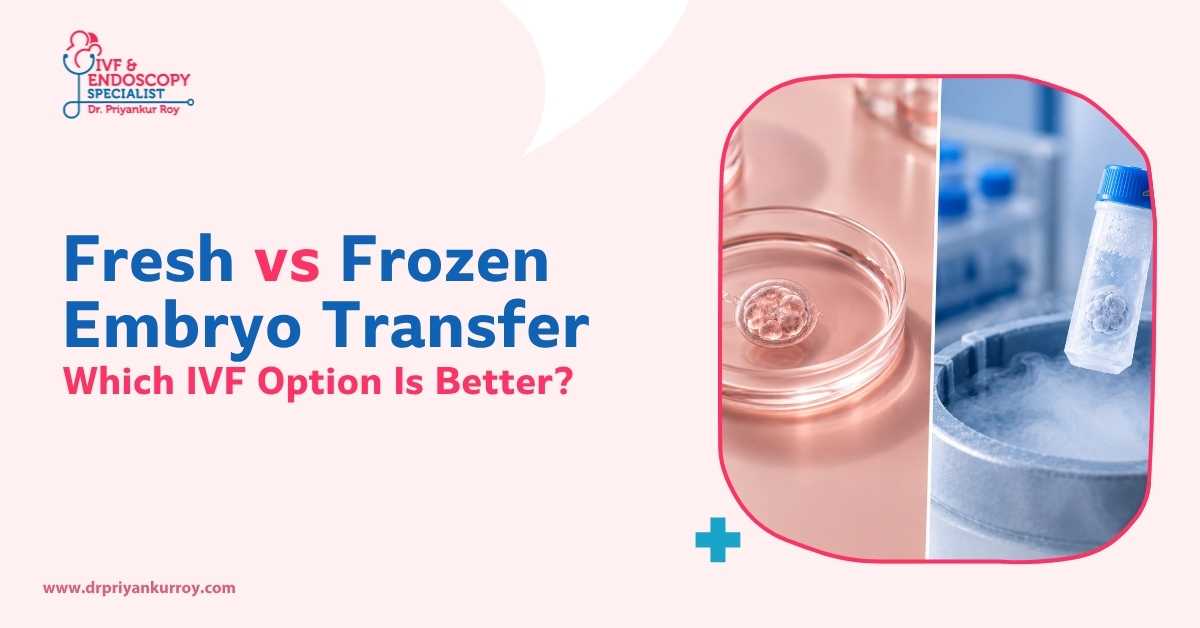
6. Embryo Transfer
The selected embryo is gently placed into the uterus using a thin catheter. This is a simple procedure that generally does not require anesthesia.
What Should You Expect After Embryo Transfer?
Following embryo transfer, it is normal to experience some mild symptoms while your body adjusts.
These may include:
- Mild abdominal cramping
- Light spotting
- Breast tenderness
- Mild bloating
- Fatigue
These symptoms do not necessarily indicate whether the treatment has been successful.
Most women can return to their normal daily routine shortly after the procedure, although strenuous exercise and heavy lifting should be avoided unless advised otherwise by the fertility specialist.
If sedation was used during egg retrieval, you should avoid driving for at least 24 hours.
A blood test is usually performed 10 to 14 days after embryo transfer to confirm pregnancy.
Also Check:-
Lifestyle Tips to Support Fertility
While lifestyle changes cannot guarantee pregnancy, they may improve overall reproductive health and support fertility treatment.
Some healthy habits include:
- Eat a balanced diet rich in fruits, vegetables, whole grains, lean proteins, and healthy fats.
- Maintain a healthy body weight.
- Exercise regularly with moderate physical activity.
- Get adequate sleep each night.
- Avoid smoking and limit alcohol consumption.
- Manage stress through yoga, meditation, or relaxation techniques.
- Follow all medications and treatment instructions provided by your fertility specialist.
Why Choose an Experienced IVF Specialist?
Choosing the right fertility specialist is one of the most important decisions during your parenthood journey.
An experienced fertility team offers:
- Comprehensive fertility evaluation
- Personalized treatment plans
- Advanced fertility technology
- Modern embryology laboratory support
- Compassionate patient care
- Continuous guidance throughout treatment
A patient-centered approach helps couples understand every stage of IVF while providing emotional support throughout the process.
Conclusion
Infertility can be emotionally challenging, but it does not mean that parenthood is out of reach. Modern fertility treatments such as In Vitro Fertilization (IVF) have helped countless couples overcome infertility and build their families.
If you have been trying to conceive without success, seeking timely medical advice is an important first step. A thorough fertility evaluation can identify the underlying cause and help your doctor recommend the most appropriate treatment based on your individual needs. Book your consultation with Dr. Priyankur Roy today and take the first step towards building the family you've always dreamed of.
Updated 8th July 2026

Dr. Priyankur Roy
MBBS, MS, PGDMLS, PGDHHM, FIAOG
Dr. Priyankur Roy is a distinguished expert in Infertility Treatment and Gynae-Endoscopy. With advanced qualifications from Germany and the UK, he excels in providing high-quality medical care.
This blog is clinically verified by Dr. Priyankur Roy to ensure accuracy and reliability.

